

If you’re planning a trip and wondering what to eat in Florence, you’re in for a treat. Typical Florentine food is hearty, rustic, and deeply tied to Tuscan farming traditions: think simple ingredients, bold flavors, and dishes that have barely changed in generations. This guide walks you through the classics, where to try them, and how you can even learn to cook some of them yourself.
Florentine Classics You Need to Try
No guide to typical Florentine food would be complete without starting with the city’s most iconic dishes.
Bistecca alla Fiorentina
A thick-cut T-bone steak, traditionally from Chianina cattle, grilled simply over high heat and served very rare. It’s often sold by weight and meant to be shared at the table.
Ribollita
A thick Tuscan bread and vegetable soup, made with leftover bread, cannellini beans, and seasonal vegetables like cavolo nero (Tuscan kale). The name means “reboiled,” referring to the traditional practice of making it a day ahead and reheating it.
Pappa al Pomodoro
Another bread-based dish, pappa al pomodoro combines stale bread, tomatoes, garlic, and olive oil into a thick, comforting soup, usually served warm or at room temperature.
Lampredotto
One of Florence’s most distinctive street foods, lampredotto is made from the fourth stomach of the cow, slow-cooked and typically served in a bread roll with salsa verde or a spicy sauce. It’s a staple of Florentine food culture, especially from the city’s historic street food stands.
Tuscan Pasta: What to Eat in Florence Beyond the Classics
Tuscan dishes extend well beyond meat and soups. The region has its own strong pasta tradition, distinct from what you’ll find elsewhere in Italy.
Pici
Pici are thick, hand-rolled pasta strands, often compared to fat spaghetti, and a staple of Tuscan cooking. They’re commonly served with a garlicky tomato sauce called aglione. If you’d like to try making them yourself, our homemade pici all’aglione recipe walks through the technique step by step.
Pappardelle al Cinghiale
Wide, flat pappardelle noodles are traditionally paired with wild boar ragù (cinghiale), a rich, slow-cooked sauce that reflects Tuscany’s strong hunting traditions. Our pappardelle with wild boar ragù recipe is a great starting point if you want to recreate this dish at home.
Where to Try Typical Florentine Food in the City
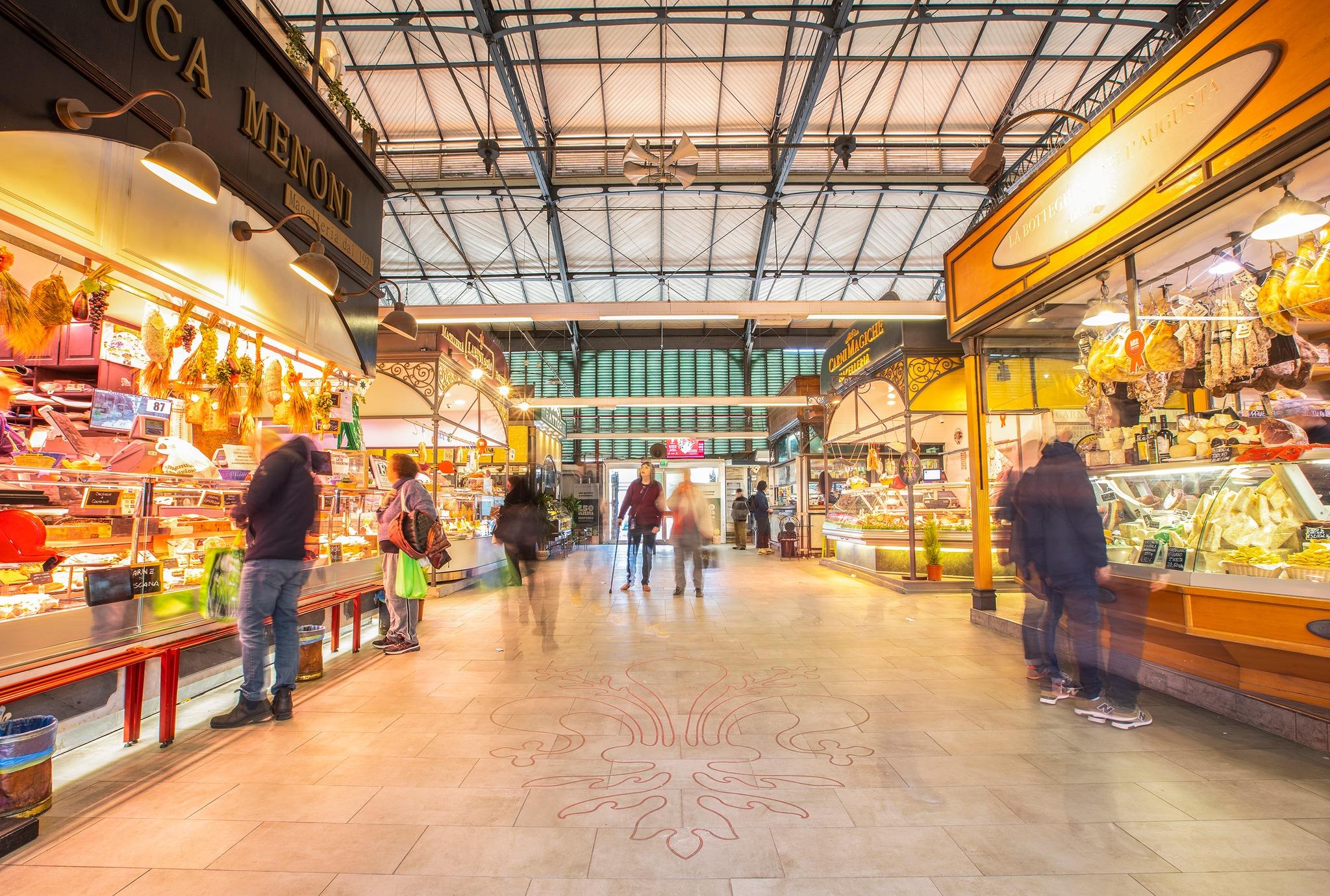
Florence’s food markets are one of the best ways to experience typical Florentine food in its most authentic setting, surrounded by local vendors and produce. The Sant’Ambrogio market area, in particular, is known for its mix of fresh ingredients and traditional trattorias. If you want a deeper sense of what this part of the city has to offer, take a look at our guide to a day in Sant’Ambrogio.
Sweets & Wine: Completing the Tuscan Table
Tuscan Sweets
Florentine desserts tend to be simple rather than elaborate. Cantucci, hard almond biscuits, are a classic, traditionally served alongside a glass of Vin Santo, a sweet dessert wine, for dipping.
Wine Pairings
No conversation about what to eat in Tuscany is complete without wine. The region is home to some of Italy’s most recognized wines, including Chianti, produced in the hills surrounding Florence. If you’d like to explore local wines more deeply, our guide to wine tasting in Florence covers the essentials.
Eat It, Then Cook It
Trying typical Florentine food in restaurants and markets is just the first step. Many visitors find that the best way to really understand Tuscan dishes is to learn how they’re made, from selecting ingredients at the market to shaping the pasta by hand.
If you’ve tasted pici, pappardelle, or a rich wild boar ragù during your trip and want to bring those skills home with you, join our market tour and pasta cooking class, where you’ll shop for ingredients and cook a traditional Tuscan meal from scratch.
Frequently Asked Questions
What is the most typical dish to eat in Florence?
Bistecca alla Fiorentina is often considered the most iconic dish, but ribollita and pappa al pomodoro are equally typical examples of everyday Florentine food.
What is lampredotto?
Lampredotto is a traditional Florentine street food made from the fourth stomach of the cow, slow-cooked and served in a bread roll, often with salsa verde.
What pasta is Tuscany known for?
Tuscany is particularly known for pici, a thick hand-rolled pasta, and pappardelle, often paired with wild boar ragù.
What wine pairs well with typical Florentine food?
Chianti, produced in the hills around Florence, is one of the most common pairings for hearty Tuscan dishes like bistecca and ragù-based pasta.
Where can I try authentic Florentine food in the city?
Local markets, such as the Sant’Ambrogio area, are a great place to find authentic Florentine food, alongside traditional trattorias throughout the historic center.