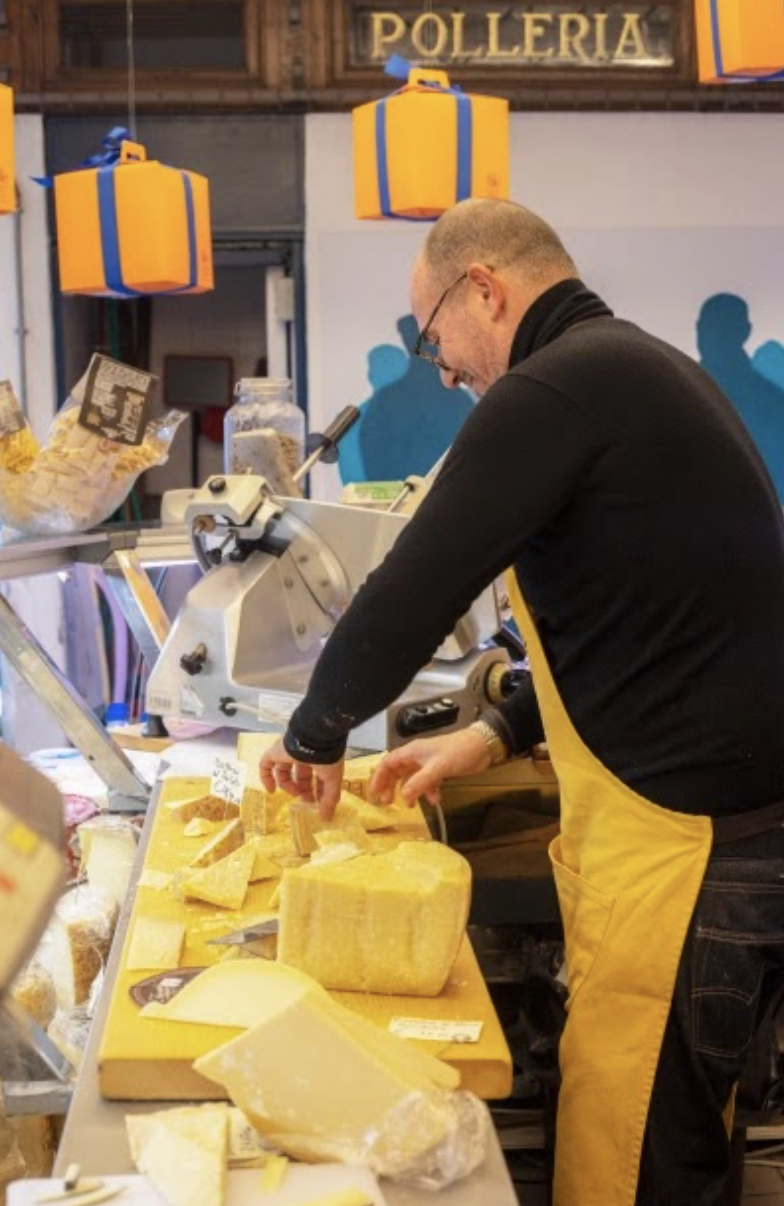
Exploring Florence food markets is one of the best ways to understand the city’s food culture up close. Beyond the restaurants and trattorias, these markets are where local cooks, chefs, and residents shop every day, full of fresh produce, cured meats, cheeses, and the kind of everyday energy that doesn’t always make it into guidebooks. In this guide, we’ll walk you through the city’s best markets and how to make the most of a visit.
Why Florence Markets Matter for Food Lovers
Florence markets aren’t just tourist attractions. They’re working markets that have shaped how the city eats for generations. Visiting one gives you a much more authentic sense of Tuscan ingredients than a restaurant menu alone, from the quality of local olive oil to the variety of seasonal vegetables that define Tuscan cooking throughout the year.
What You’ll Typically Find
Most Florence food markets share a similar mix of stalls: fresh pasta counters, butchers specializing in Tuscan meats, cheese vendors, produce stands, and often a few spots serving simple, freshly prepared food on the spot.
Mercato Centrale: The Heart of Florence Food Markets
Mercato Centrale is probably the most well-known of all Florence food markets, housed in a large 19th-century iron-and-glass building near San Lorenzo. The ground floor is dedicated to traditional stalls, meat, cheese, produce, and fresh pasta, while the upper floor has been developed into a food hall with various vendors offering ready-to-eat dishes.
It’s a good starting point if you want a broad overview of Tuscan ingredients in one place, though it tends to be busier and more tourist-oriented than some of the city’s other markets.
Sant’Ambrogio Market: A More Local Experience
For a market that feels closer to daily Florentine life, the Sant’Ambrogio market is worth seeking out. Located in a quieter residential area of the city, it draws more local shoppers than tourists, and the surrounding streets are lined with small trattorias and food shops. If you’d like a deeper look at what a visit here involves, our guide to a day in Sant’Ambrogio covers the market and its surrounding neighborhood in detail.
Why It’s Worth the Trip
Sant’Ambrogio offers a good contrast to Mercato Centrale: smaller, less polished, but arguably more representative of how Florentines actually shop for their weekly ingredients.
Other Markets Worth Exploring
Beyond the two major markets, Florence has smaller street markets scattered throughout the city, often specializing in specific products or operating only on certain days. These are worth exploring if you happen to be nearby, as they can offer a more spontaneous, less curated shopping experience.
If you’re also interested in the fresh pasta traditions connected to these markets, our piece on Sfoglia Re Florence is a good complementary read, exploring the world of fresh pasta making in the city.
Tips for Visiting Florence Food Markets
Go Early
Markets are generally busiest in the late morning, so arriving earlier gives you a calmer experience and better access to the freshest produce of the day.
Bring Cash
Many smaller stalls, especially in markets like Sant’Ambrogio, may not accept cards, so it’s worth carrying some cash for smaller purchases.
Ask Questions
Vendors are often happy to explain what they’re selling, especially with seasonal or regional products you might not recognize. It’s one of the easiest ways to learn more about Tuscan ingredients while you shop.
From the Market to Your Kitchen
Visiting Florence food markets is a great experience on its own, but pairing it with hands-on cooking takes it a step further. If you’d like to shop for ingredients the way a local cook would, and then turn them into a traditional meal, our guide to what to eat in Florence is a useful starting point for understanding the dishes you’ll encounter along the way.
Still deciding which class to book? Our guide to the best cooking class Florence has to offer explains what separates a good one from a forgettable one.
Ready to combine the two? Join our market tour and pasta cooking class, where you’ll shop at one of the city’s markets before cooking a traditional Tuscan meal from scratch.
Frequently Asked Questions
What is the most famous of the Florence food markets?
Mercato Centrale is generally the most well-known, thanks to its central location near San Lorenzo and its combination of traditional food stalls and a modern food hall.
Is the Sant’Ambrogio market touristy?
No, the Sant’Ambrogio market tends to attract more local shoppers than tourists, making it a good option for a more authentic experience of daily Florentine life.
What should I buy at Florence markets?
Common purchases include fresh pasta, local cheeses, cured meats, olive oil, and seasonal produce, depending on what’s available at the time of year.
Do Florence food markets accept credit cards?
It varies by vendor. Larger stalls in markets like Mercato Centrale often accept cards, but smaller stands, especially at Sant’Ambrogio, may only accept cash.
Can I combine a market visit with a cooking class?
Yes. Many cooking experiences in Florence, including ours, start with a guided market visit to select ingredients before heading to the kitchen to cook a traditional meal.