

Florence is a city built on good food, and finding the best cooking class Florence has to offer can turn a short visit into a lifelong memory. Whether you’re a curious beginner or a home cook looking to sharpen your skills, this guide will walk you through what makes a class truly worth your time, and why hands-on pasta making sits at the heart of the experience.
Choosing among the many cooking class Florence options can feel overwhelming. Some focus on pizza, others on regional specialties, and many promise more than they deliver. This article breaks down what to look for, what to expect, and how to pick the class that fits your travel style and appetite.
What Makes a Cooking Class Florence Experience Worth It
Not every class is created equal. A great Italian cooking class goes beyond watching a chef demonstrate a recipe from a distance. It should put a rolling pin in your hands, flour on your apron, and confidence in your kitchen skills by the end.
Hands-On, Not Just Watching
The best experiences are fully participatory. You knead, you shape, you taste as you go. If you’re curious about what a typical session looks like from start to finish, our guide on what to expect from a pasta making class in Florence walks through the full experience, from the first ball of dough to the final plate.
Small Groups and Real Attention
Class size matters more than people expect. In a large group, you might spend most of the session watching someone else’s hands instead of using your own. Look for schools that cap their groups small enough for the instructor to correct your technique individually.
Ingredients That Actually Matter
Florence sits in the middle of Tuscany, a region famous for its produce, olive oil, and wine. A class worth attending sources ingredients that reflect that quality, not shortcuts from a supermarket shelf.
Why a Pasta Making Class Is the Best Place to Start
If you only have time for one experience during your trip, a pasta making class is arguably the most rewarding choice. Pasta is deceptively simple: flour, eggs, water, salt. But turning those basics into silky tagliatelle or perfectly pinched tortellini takes technique that’s best learned by feel, guided by someone who has done it thousands of times.
The Skills You’ll Actually Use at Home
Unlike some culinary techniques that require specialized equipment, pasta making translates directly to your kitchen back home. A rolling pin, a clean counter, and a bit of practice are all you need to recreate what you learn.
Understanding Regional Shapes and Sauces
Part of what makes an Italian cooking class so fascinating is discovering how shape and sauce are never chosen at random. Certain pasta shapes exist specifically to hold certain sauces well, and a good instructor will explain the logic behind these pairings rather than just handing you a recipe card.
How to Choose the Best Cooking Class Florence Has for Your Trip
With so many options advertised to tourists, it helps to ask yourself a few honest questions before booking. Do you want a quick two-hour taste of Italian cooking, or a deeper, half-day immersion? Are you traveling with picky eaters or dietary restrictions? Is location and walkability important, given how compact central Florence is?
Consider Combining a Market Visit
Some of the most memorable classes start not in the kitchen but at the market, selecting produce, learning to recognize ripeness and quality, and understanding how a shopping trip shapes the final dish. If that appeals to you, a market tour paired with a cooking class adds an extra layer of authenticity to the day. Our guide to the city’s best food markets in Florence is worth a look if you want to know which ones deserve your morning.
Location and Setting Matter
A class held in a converted historic space, close to the city center, tends to feel more immersive than one in a generic hotel conference room. Ask about the setting before you book, since it shapes the entire atmosphere of the experience.
What to Expect Beyond the Kitchen
A strong Italian cooking class isn’t only about technique. It’s also about context: understanding why certain dishes exist, how families have passed down recipes, and how regional ingredients shaped Tuscan cuisine over generations. If you’re interested in the stories behind the recipes, our piece on the art of pasta and traditional nonna recipes explores that heritage in more depth.
Sitting Down to Eat What You Made
The best classes end with a shared meal, seated together, enjoying the dishes you just prepared, often paired with local wine. This final step turns a lesson into a genuine cultural experience.
Ready to Book Your Cooking Class in Florence?
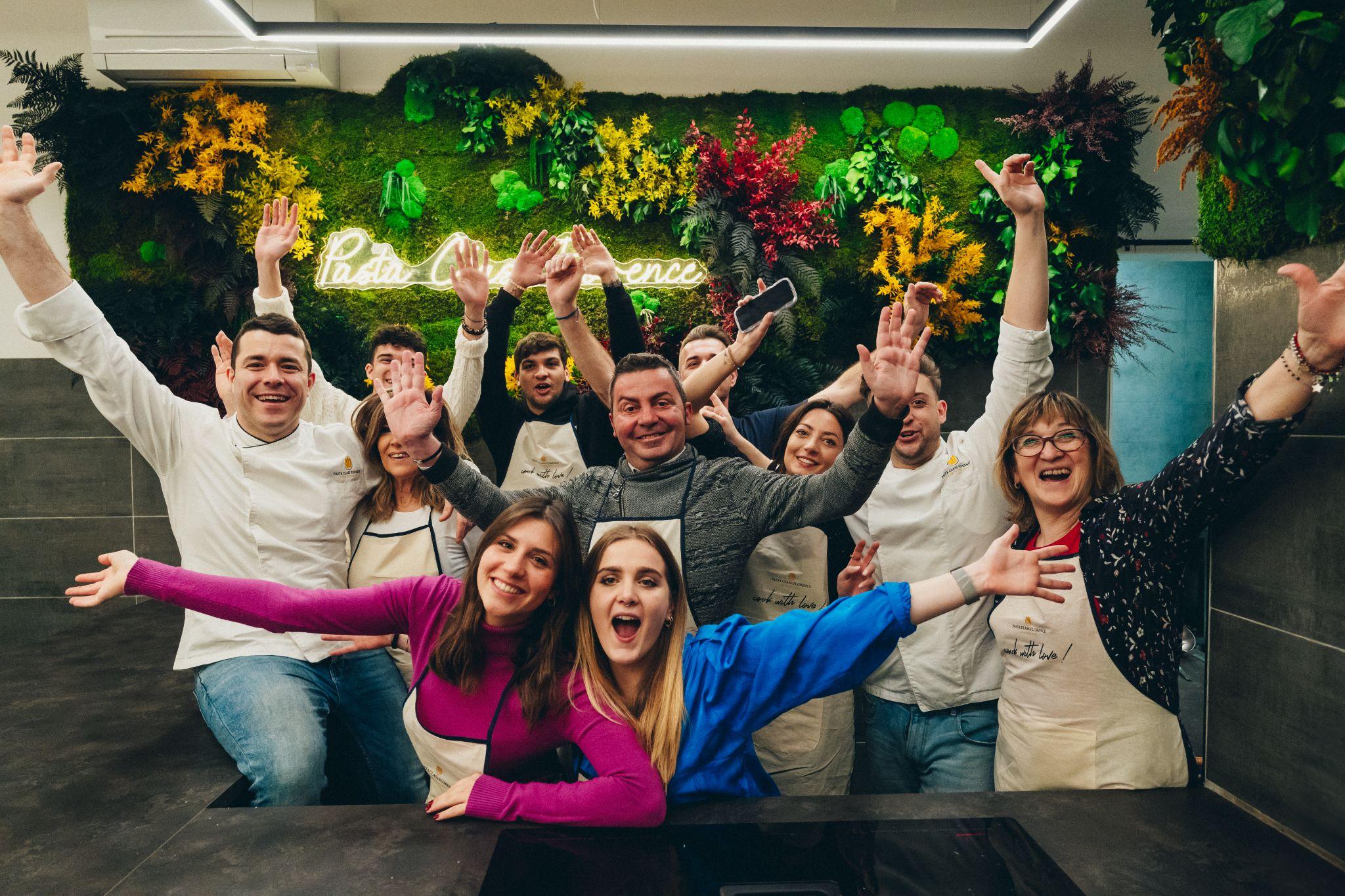
If you’re ready to put your hands in the flour and learn the real techniques behind Italian pasta, explore our cooking classes in Florence and reserve your spot. Small groups, real Tuscan ingredients, and a shared meal at the end, it’s the best way to experience Florence like a local.
Frequently Asked Questions
How long does a typical cooking class in Florence last?
Most sessions run between two and four hours, depending on whether the class includes a market visit or focuses purely on hands-on cooking.
Do I need any prior cooking experience?
No. The best cooking class Florence has to offer is designed for complete beginners as well as experienced home cooks, with instructors adjusting guidance to your skill level.
What will I actually cook during a pasta making class?
This varies by school, but classic options often include fresh egg pasta shapes like tagliatelle, along with a traditional sauce to pair with it.
Is a cooking class suitable for families or dietary restrictions?
Many schools can accommodate dietary needs and welcome families, though it’s best to confirm directly with the school when booking.
Should I book in advance?
Yes. Popular classes, especially during high season, tend to fill up quickly, so booking a few weeks ahead is recommended.