

Among the great roman sauces, Amatriciana holds a special place. Bold, savory, and built on just a handful of ingredients, it’s a dish that shows how Roman cooking turns simplicity into something unforgettable. In this guide, we’ll walk you through an authentic recipe for spaghetti all’Amatriciana, along with the techniques and ingredients that make it distinctly Roman.
What Makes Amatriciana One of the Great Roman Sauces
Amatriciana takes its name from Amatrice, a town historically linked to the origins of the dish, though today it’s strongly associated with Roman cuisine and is considered one of the defining examples of Roman pasta. What sets it apart from other tomato-based sauces is the use of guanciale, cured pork cheek, which brings a rich, distinctive flavor that pancetta or bacon simply can’t replicate.
The Role of Guanciale
Guanciale is essential to an authentic Amatriciana. Unlike pancetta, which comes from pork belly, guanciale is made from the cheek and has a higher fat content, which renders slowly and coats the pasta in a silky, flavorful base. If you enjoy this ingredient, you’ll also recognize it in another Roman classic: you can compare techniques in our carbonara sauce recipe, which relies on the same cured pork.
Pecorino Romano: The Finishing Touch
The other non-negotiable ingredient is pecorino romano, a hard, salty sheep’s milk cheese that’s grated generously over the finished dish. Its sharpness balances the richness of the guanciale and the acidity of the tomato, tying the sauce together.
Spaghetti all’Amatriciana: Ingredients
While bucatini amatriciana is a common variation using thicker, hollow pasta, this recipe uses spaghetti, which is equally traditional and widely used in Rome.
Ingredients (serves 4):
- 350g spaghetti (or bucatini, if preferred)
- 150g guanciale, cut into strips
- 400g canned peeled tomatoes
- 50g pecorino romano, finely grated
- A pinch of chili flakes (optional, to taste)
- Salt, to taste
How to Make Authentic Spaghetti all’Amatriciana
- Bring a large pot of salted water to a boil for the pasta.
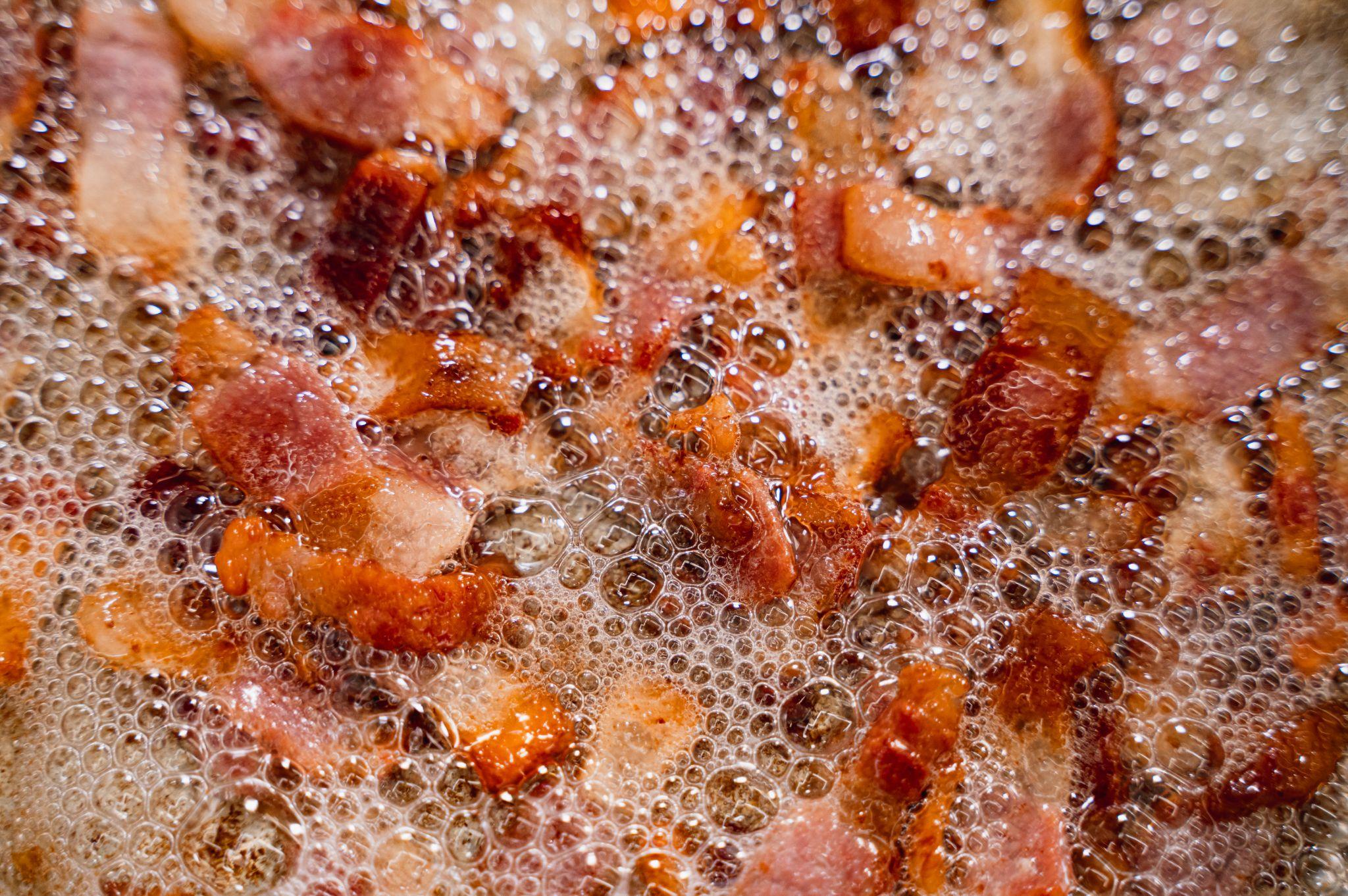
- In a wide pan, cook the guanciale strips over medium-low heat, without added oil, until the fat renders and the pieces turn golden and slightly crisp.
- Remove the guanciale from the pan with a slotted spoon and set it aside, leaving the rendered fat in the pan.
- Add the tomatoes to the pan, breaking them up with a spoon, and season lightly with salt. If using chili flakes, add them at this stage.
- Let the sauce simmer over medium-low heat for about 15 to 20 minutes, until it thickens slightly.
- Meanwhile, cook the spaghetti in the boiling water until al dente, following the package instructions.
- Drain the pasta, reserving a small cup of the cooking water, and add it directly to the pan with the tomato sauce.
- Return the guanciale to the pan and toss everything together over low heat, adding a splash of pasta water if needed to loosen the sauce.
- Remove from heat, sprinkle generously with grated pecorino romano, and toss once more before serving.
Tips for Mastering Roman Sauces at Home
Don’t Rush the Guanciale
The key to a good Amatriciana lies in rendering the guanciale slowly. Cooking it too fast over high heat will burn the outside before the fat has a chance to melt properly, losing much of the flavor the dish depends on.
Balance the Tomato
Roman sauces built around guanciale and pecorino tend to work best with a light hand on the tomato: the goal is a coating sauce, not a heavy, chunky one.
Explore Other Roman Classics
Amatriciana is just one entry point into the world of Roman pasta. If you’d like to explore other iconic combinations, try our pici cacio e pepe recipe for a simpler, cheese-forward dish, or our spaghetti aglio, olio e peperoncino for a lighter, garlic-based alternative. You can also work backwards and make pasta alla gricia, the tomato-free dish Amatriciana is built on.
Bring Roman Cooking Into Your Kitchen
Mastering roman sauces like Amatriciana is about technique as much as ingredients: knowing how to render guanciale properly, balance the tomato, and finish with just the right amount of pecorino romano. If you’d like to practice these techniques hands-on with expert guidance, explore the art of pasta through nonna’s recipes and book your spot at Pasta Class Florence or if you are not in Florence buy your online cooking class and cook together with us from the comfort of your house.
Frequently Asked Questions
What is the difference between guanciale and pancetta in Amatriciana?
Guanciale is made from pork cheek and has a higher fat content than pancetta, which comes from pork belly. This gives Amatriciana its distinctive richness and is considered essential for an authentic version.
Can I use bucatini instead of spaghetti for Amatriciana?
Yes. Bucatini amatriciana is a very common and traditional variation, using thicker, hollow pasta instead of spaghetti. Both are widely accepted as authentic.
Why is pecorino romano used instead of parmesan?
Pecorino romano is a sharp, salty sheep’s milk cheese traditionally used in Roman sauces. Its flavor profile is more assertive than parmesan and better balances the richness of the guanciale.
Is Amatriciana a spicy dish?
It can be. A pinch of chili flakes is a common addition in many versions, though the level of spice is generally kept mild and can be adjusted to taste.
What other dishes use guanciale and pecorino romano?
Guanciale and pecorino romano also appear in other classic Roman pasta dishes, including carbonara and cacio e pepe, though each dish combines them differently.