

Traditional Easter Pasta Recipe
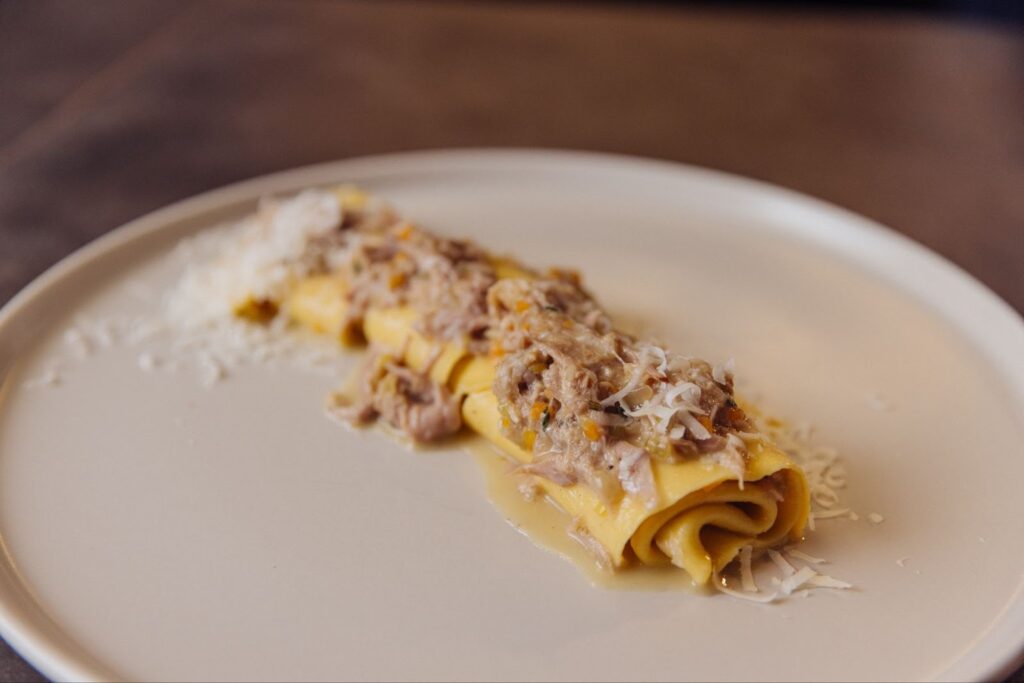
As April arrives in Florence, the air carries a distinct change. The sharp winter chill softens into a breeze scented with blooming jasmine and damp earth, and the city begins its preparations for Pasqua (Easter). In Italy, Easter is perhaps the most significant culinary event of the year, second only to Christmas. It is a time of “rebirth,” not just spiritually, but at the dinner table.
While the summer months will eventually belong to the bright red of the tomato and the punch of basil, the Florentine Easter table is defined by the deep, rustic flavors of the countryside. Chief among these is Lamb Ragù served with Pappardelle. At Pasta Class Florence, we believe that understanding a dish requires more than just a recipe; it requires stepping into the history and the heart of the Tuscan kitchen.
The Symbolism of the Lamb in Italian Culture
Why lamb? To understand why this meat is the centerpiece of the Italian Easter table, we have to look at both religious and agricultural history. In the Christian tradition, the lamb is a symbol of sacrifice and purity, representing the “Lamb of God.”
However, there is also a very practical, seasonal reason. In central Italy—specifically Tuscany, Umbria, and Lazio—sheep farming has been a way of life for millennia. April is the time when spring lambs are traditionally available. For generations of Tuscan farmers, Easter marked the first great feast of the year after the lean months of winter. Using the whole animal was a point of pride, leading to recipes like our “White Lamb Ragù,” which uses the shoulder for a long, slow cook that transforms a tough cut into something tender.
The Perfect Pairing: Why Pappardelle?
If lamb is the king of the Easter meal, Pappardelle is undoubtedly the queen of Tuscan pasta. These wide, flat ribbons of egg pasta are designed for heavy lifting. Unlike thin spaghetti or delicate capellini, the broad surface area of Pappardelle is the perfect canvas for a rich, chunky meat sauce.
As our experts explain in our latest recipe video, Pappardelle is a “classic for Easter.”. When the pasta is tossed in the pan, the ridges and width of the ribbons catch the shredded lamb and the silky juices of the soffritto, ensuring that every bite is a perfect balance of silk and substance.
Step-by-Step: Crafting the Authentic White Lamb Ragù
Following the traditional method taught at Pasta Class Florence, here is how you can recreate this Easter masterpiece at home.
1. Preparing the Aromatics and the “Soffritto”
Every great Italian sauce begins with the Soffritto—the holy trinity of onion, carrot, and celery. In our Easter version, we use golden onions for sweetness and, as a special touch for our students, a little extra garlic.
Alongside the vegetables, you must prepare your bouquet of spring herbs. For this ragù, we use:
- Rosemary and Sage: The essential Tuscan duo for meats.
- Thyme and Bay Leaf: To add a floral, earthy depth.
2. The Secret of Caramelization
The first technical step is to sear the lamb shoulder. Using a preheated pan and a “generous” amount of extra virgin olive oil, you want to brown the meat thoroughly. This isn’t just about color; it’s about the Maillard reaction—releasing the fats and sugars that create the deepest savory flavors. Once the meat is golden, remove it from the pan, but keep the fat. That liquid gold is where the flavor lives.
3. Building the Base
Lower the heat and add your finely chopped vegetables and herbs into the lamb fat. This is where you gently “sweat” the aromatics until they are translucent and fragrant. Once the base is ready, return the lamb to the pan and deglaze with a splash of white wine.
Note: We are making a White Ragù today, which means we omit the tomato to let the pure flavor of the lamb and herbs shine through.
4. The Slow Simmer
After the wine has evaporated, cover the meat with stock. While vegetable stock works, a high-quality chicken or beef stock will add even more layers of flavor. Now comes the most important ingredient: patience.
The ragù needs to simmer for about 1.5 to 2 hours. You’ll know it’s ready when the meat is so tender it “falls apart from the bone.”
5. Cleaning the Bone and “The Magic”
Once cooked, remove the lamb and shred the meat by hand, discarding the bones and any excess gristle. Return the shredded flesh back into the juices. This creates a rustic, textured sauce that clings beautifully to the pasta.
6. Finishing the Dish
Boil your Pappardelle in salted water for just a couple of minutes until al dente. Drain the pasta directly into the sauce and “jump” it (toss it vigorously) to emulsify the fats and juices.
Finally, no Florentine dish is complete without a “snowfall” of Pecorino or Parmigiano cheese—what we call “the sound of happiness.”
Tips for the Ultimate Easter Feast
- Herb Timing: While the rosemary and sage cook with the meat, consider adding a tiny sprinkle of fresh thyme at the very end to brighten the heavy ragù.
- The Stock: If you can, use a homemade bone broth. The gelatin in a real broth gives the sauce a lip-smacking silkiness that store-bought versions can’t match.
- The Wine Pairing: Serve this with a bold Tuscan red, like a Chianti Classico or a Rosso di Montalcino. The acidity of the Sangiovese grape is the perfect foil for the richness of the lamb.
Join us in Florence
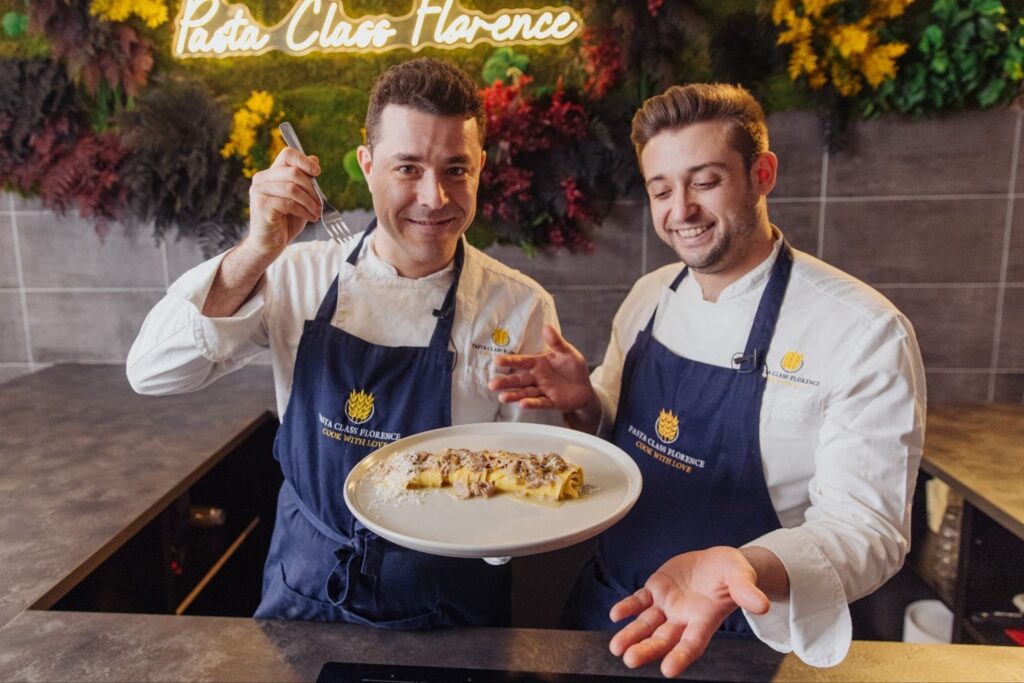
There is something magical about preparing an Easter meal in the city where these traditions were born. If you find yourself in Florence this April, come join us at Pasta Class Florence. We will teach you how to feel the dough, smell the herbs of the countryside, and master the art of the slow-cooked ragù.
For more authentic recipes and to book your spot in our kitchen, visit our YouTube Channel and follow our journey through the flavors of Tuscany.