

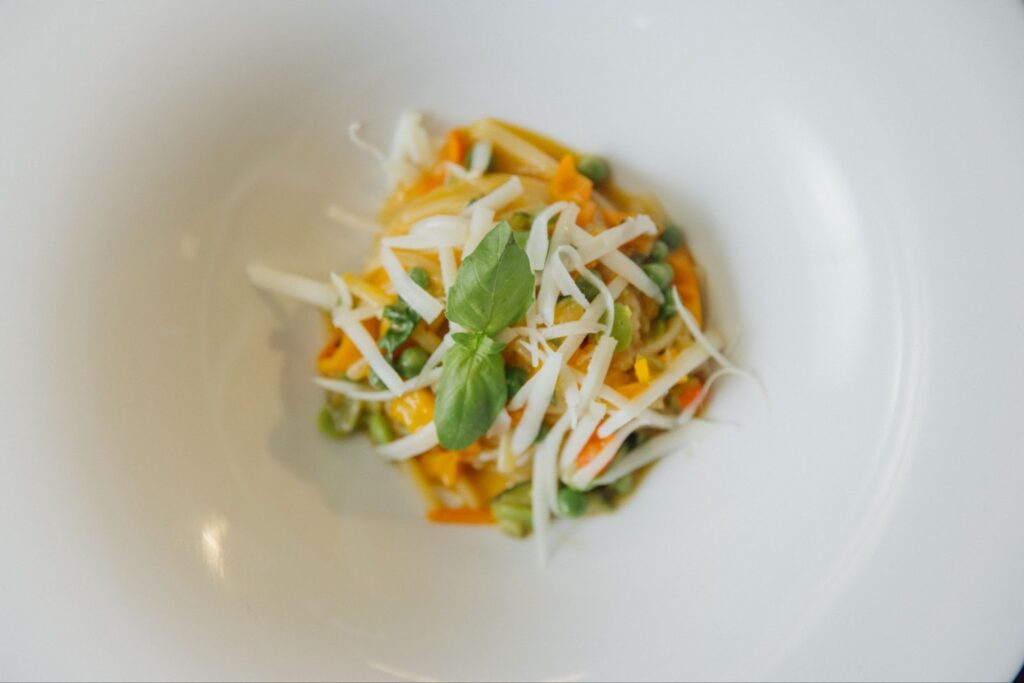
Linguine Primavera is a fresh and colorful Italian spring pasta made with seasonal vegetables like fava beans, peas, zucchini, and sweet tomatoes. Light, vibrant, and full of flavor, it’s the perfect dish to celebrate Easter and the arrival of spring.
In Italy, spring brings an abundance of fresh vegetables to local markets, and dishes like Linguine Primavera highlight the simplicity of seasonal cooking. Made with extra virgin olive oil, fresh herbs, and Parmigiano Reggiano, this pasta captures the authentic taste of Italian spring cuisine.
Why You’ll Love This Spring Pasta
- light and fresh spring pasta
- authentic Italian flavors
- perfect for Easter meals
- ready in about 30 minutes
Why “Primavera” is the Ultimate Easter Dish
Beyond its vibrant colors and garden-fresh flavors, Linguine Primavera holds a deep symbolic resonance during the Easter season, particularly within the context of Italian heritage. As the heavy stews and preserved root vegetables of winter finally fade, the arrival of Pasqua (Easter) marks a triumphant return to the soil. The ingredients in this dish—specifically the fresh fava beans and tender spring peas—are more than just components; they are traditional icons of rebirth & fertility.
In the markets of Florence, seeing the first crates of bright green pods is the true signal that the seasons have shifted. This dish also captures the spirit of Pasquetta, or “Little Easter” Monday. On this day, Italians traditionally escape the city for a scampagnata (a countryside picnic) to celebrate the lengthening days. Because Linguine Primavera relies on the quality of its olive oil and the integrity of the vegetables rather than heavy creams or meats, it remains delicious whether served steaming hot at the Sunday table or at room temperature during a Monday picnic under the Tuscan sun. It is a plate that mirrors the landscape itself: lush, awakening, and full of new life.
Inspired by the experts at Pasta Class Florence, here is a refined and expanded guide to making this authentic Italian classic to share with your loved ones.
Ingredients for Linguine Primavera
- 350g Linguine Pasta
- 400g Fava Beans (Broad Beans): While they require a bit of labor to peel, their buttery texture and nutty flavor are the hallmark of an authentic Italian spring harvest.
- 300g Small Zucchini (using only the skins/outer green part) The center of a zucchini is full of water; by using only the skin, you maintain a “crunch” and a vibrant green color that doesn’t turn mushy.
- 300g Datterini or Vine Tomatoes (yellow and red varieties add beautiful color) Datterini (date tomatoes) are incredibly sweet and provide a “pop” of juice that creates a natural sauce without needing heavy cream.
- 200g Tropea Red Onions, thinly sliced
- 100g Sweet Peppers (yellow or red): These provide a subtle, fruity depth and a bright pop of color
- 50g Carrot, thinly sliced
- 1 cup Fresh Spring Peas: Fresh peas have a distinct “pop” and a grassy sweetness that is the very essence of the Primavera (Spring) season.
- 2 Garlic Cloves, peeled
- Cheese: Parmigiano Reggiano
- Freshness: A handful of fresh Basil and Parsley
- Aromatics: 1 Dried Chili Pepper, Extra Virgin Olive Oil, Salt, and Black Pepper
How to Make This Spring Pasta
1. Prepare the Fava Beans:
To achieve a tender texture and vibrant green color, you must blanch the fava beans. Drop them into boiling water for 30–40 seconds to loosen the tough outer skin. Immediately transfer them to a bowl of ice water to stop the cooking process. Once cooled, gently squeeze each bean to pop it out of its skin.
2. Prep the Vegetables:
Use only the firm green outer part, slicing it into thin strips; save the white, spongy middle for a minestrone soup later. Thinly slice your carrots and peppers so they cook evenly with the other greens.
3. Build the Flavor Base (The Sauté):
In a large pan, heat a generous drizzle of extra virgin olive oil over medium heat. Add the whole garlic cloves and sliced red onion to create the “starting flavor” of the dish. For a hint of heat, crumble in a dried chili pepper by hand.
4. Layer the Cooking Process
Add the carrots and sweet peppers first, as these require a longer cooking time. After a few minutes, stir in the zucchini strips. While the vegetables soften, bring a large pot of salted water to a boil and drop in your linguine. Cook the pasta for about 8 minutes—you want to drain it while it is still slightly undercooked (al dente) so it can finish in the sauce.
5. Bring the Colors Together
Just before the pasta is ready, add the tomatoes, the peeled fava beans, and the fresh peas to your vegetable sauté. This keeps the spring vegetables bright and prevents them from overcooking.
6. Combine Pasta & Vegetables
Drain the linguine, reserving a small cup of the starchy pasta water. Toss the pasta into the vegetable pan. Add a splash of the pasta water and toss or stir vigorously to help the starch emulsify with the oil. Stir in the Parmigiano and tear the fresh basil by hand.
7. Serve and Enjoy!
Chef’s Tips:
- Customization: Don’t be afraid to make this recipe your own. As the chefs note, spring is a season of abundance—feel free to add sliced asparagus or artichoke hearts to the mix.
- Texture: If the pasta seems a bit dry as you are tossing it, add another spoonful of pasta water. It’s the key to that “gourmet” restaurant finish.
Serve immediately, and enjoy the true taste of spring!
FAQ
What does primavera mean in pasta?
“Primavera” means spring in Italian. Pasta primavera refers to dishes made with fresh seasonal vegetables like peas, zucchini, asparagus, and tomatoes, highlighting the flavors of spring.
Is Linguine Primavera an authentic Italian recipe?
While many versions exist worldwide, Italian-style Linguine Primavera focuses on simple ingredients, fresh vegetables, olive oil, and Parmigiano Reggiano rather than heavy cream sauces.
Can I add other vegetables to Linguine Primavera?
Yes. Spring vegetables such as asparagus, artichokes, green beans, or spinach work beautifully in this dish and can be added depending on what is fresh and available.
Can Linguine Primavera be served cold?
Yes. Linguine Primavera can be served warm or at room temperature, making it perfect for picnics, spring lunches, and Easter gatherings.
What pasta works best for Primavera sauce?
Linguine is traditional, but spaghetti, fettuccine, or penne also work well because they hold the light olive-oil based sauce and vegetables nicely.