

A Guide to the Herbs of the Florentine Countryside
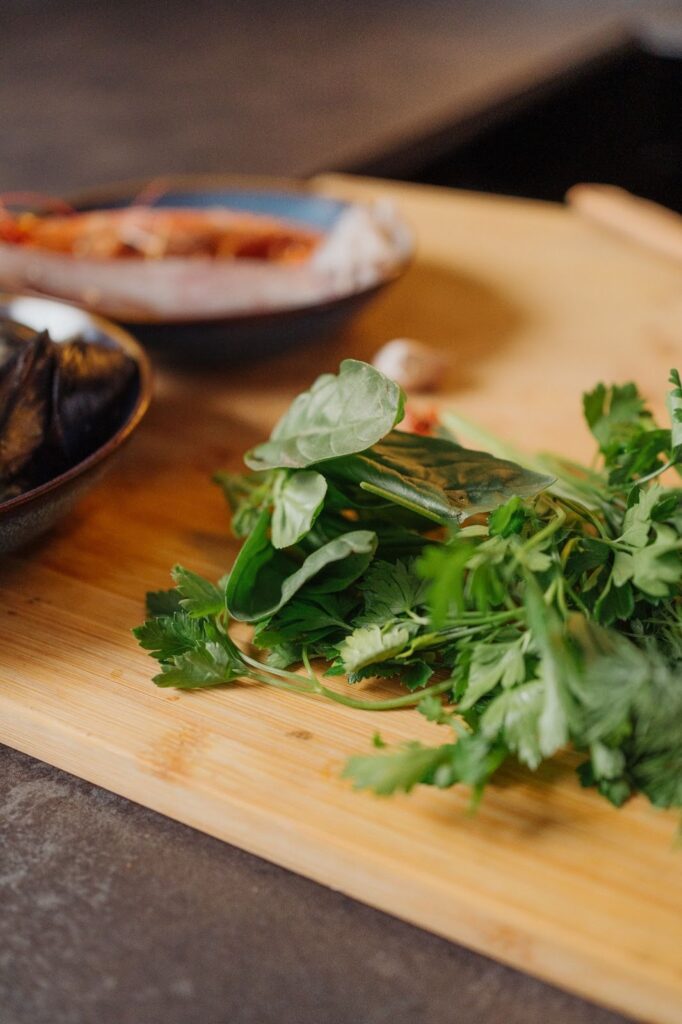
As the morning mist lifts off the Arno and the Tuscan hillsides shift from the muted ochres of winter to a brilliant, shocking emerald, Florence undergoes a sensory transformation. While tourists flock to the Uffizi, the locals head to the Sant’Ambrogio market or out into the rolling hills of Fiesole and Chianti. They aren’t just looking for vegetables; they are hunting for the “scent of spring.”
In the Italian kitchen, April is a sacred month. It is the moment when the “minor” herbs—those delicate, wild, and fragrant greens that are often overshadowed by the summer’s heavy-hitting basil—take center stage. To cook at Pasta Class Florence during this season is to learn that the secret to a great dish isn’t just the flour and the egg, but the handful of wild herbs gathered at the edge of a vineyard.
Beyond the supermarket staples, let’s discover the herbs that define the Florentine countryside in April and learn how to weave them into your pasta repertoire.
Finocchietto (Wild Fennel)
Walking through the Tuscan countryside in April, you will often catch a sweet, anise-like fragrance trailing on the breeze. This is Finocchietto selvatico. Unlike the bulbous fennel found in the produce aisle, wild fennel is prized for its feathery, dark green fronds and its intense, peppery sweetness.
In the Florentine kitchen, wild fennel is the bridge between the earth and the sea. While it is famously paired with sardines in Sicily (Pasta con le sarde), in Tuscany, we use it to lighten the profile of our spring meats.
How to pair it: Try finely chopping wild fennel fronds and incorporating them into a “white ragù” (a meat sauce without tomato). The herb cuts through the richness of the pork or rabbit, providing a high-tone finish that feels remarkably fresh. It is also spectacular when tossed with handmade pici and sautéed breadcrumbs, where the fennel becomes the primary aromatic.
Mentuccia (Calamint/Nepitella)
If you see a basket of purple-tinged Carciofi Morelli (Tuscan artichokes) at the market, you can be certain that a bunch of Mentuccia is nearby. While standard peppermint is too aggressive for delicate spring cooking, Mentuccia—also known as Nepitella—is a wild calamint that tastes like a sophisticated hybrid of mint and oregano.
In Florence, cooking artichokes without Mentuccia is considered something of a culinary sin. The herb has a woody, earthy undertone that anchors the metallic tang of the artichoke, creating a flavor profile that is quintessentially Roman-Tuscan.
How to pair it: When making a spring pasta sauce of braised artichokes and guanciale, chiffonade the Mentuccia and toss it in at the very last second. It elevates the dish from a heavy sauté to a fragrant, garden-fresh masterpiece. It also works beautifully in a lemon-based pasta sauce, where the minty notes highlight the citrus acidity.
Borragine e Ortica (Borage and Nettle)
April is the peak season for “wild greens.” Before the sun becomes too hot and the leaves turn bitter, borage and nettle are at their most tender. These aren’t just herbs; they are the traditional backbone of Tuscan “lean” cooking (cucina di magro).
Borage is known for its beautiful blue flowers and its leaves that taste remarkably like cucumber. Nettle (Ortica), though prickly when raw, becomes a silky, deep-green puree once blanched, offering a flavor that is richer and more complex than spinach.
How to pair them: These herbs are the undisputed kings of pasta fillings. At Pasta Class Florence, we love using a mix of blanched nettle and borage folded into sheep’s milk ricotta to create Gnudi—the famous “naked” ravioli of Tuscany. Because these herbs have such a distinct, earthy personality, the resulting Gnudi require nothing more than a bath of melted butter and a few crispy sage leaves to shine. They can also be used to color the pasta dough itself, turning a standard fettuccine into a vibrant, forest-green ribbon.
Maggiorana (Marjoram)
While oregano is the loud, sun-drenched herb of the South, Marjoram is its elegant, sophisticated Northern cousin. In the Florentine countryside, Marjoram is cherished for its floral, citrusy, and slightly piney notes. It is a fragile herb that doesn’t demand attention but instead works in the background to make every other ingredient taste better.
How to pair it: Marjoram is the secret ingredient in the most refined ricotta and lemon tortelli. Its floral notes complement the creaminess of the cheese without overpowering it. It is also the perfect herb for a “white” primavera sauce consisting of butter, parmesan, and young spring peas. The sweetness of the peas and the floral aroma of the marjoram create a pairing that tastes exactly like a sunny afternoon in April.
The Chef’s Golden Rule: Timing is Everything
If there is one lesson to take away from a spring cooking session in Florence, it is this: Respect the volatile oils.
The herbs of April are not like rosemary or thyme; they do not want to be simmered for hours in a heavy sauce. The essential oils that give Mentuccia, Wild Fennel, and Marjoram their character are highly volatile. If you cook them too long, their fragrance evaporates into the steam, leaving behind only a dull, hay-like flavor.
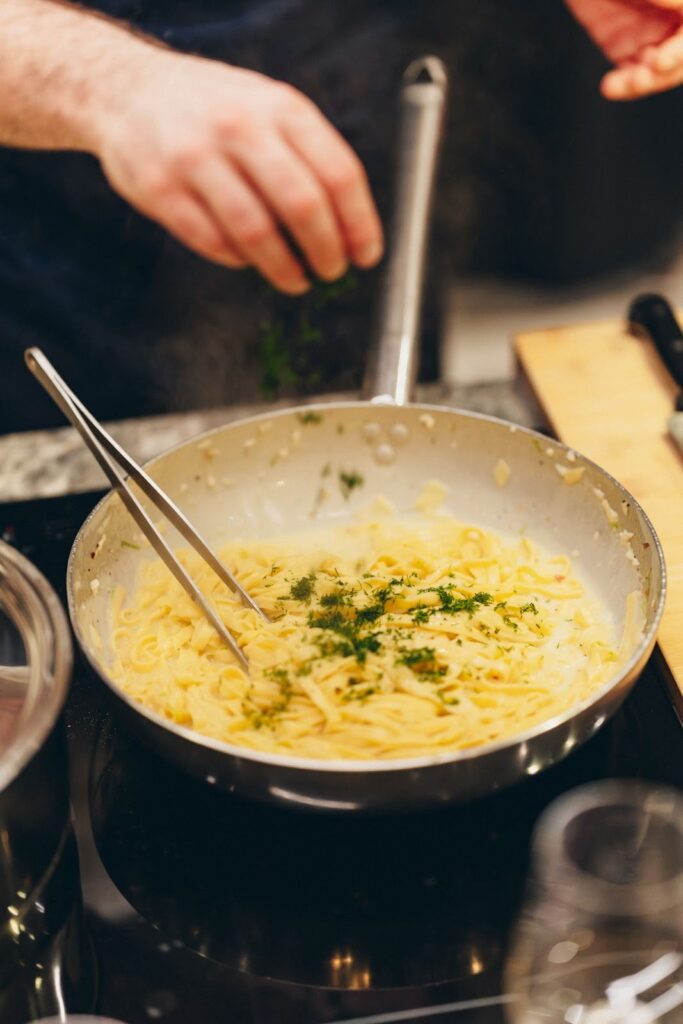
The Chef’s Tip: Always add your tender spring herbs at the “off-heat” stage. Once your pasta is tossed with its sauce and you have removed the pan from the flame, then you add your hand-torn herbs. The residual heat of the pasta is more than enough to release their aroma without destroying their delicate structure. This ensures that when the plate reaches the table, the first thing your guests experience is that incredible “Scent of Spring.”
Bringing Tuscany Home
April in Florence is a reminder that the best cooking doesn’t require complicated techniques—it requires an ear to the ground and a respect for the calendar. By looking beyond basil and experimenting with wild fennel, minty nepitella, and floral marjoram, you bring a piece of the Tuscan hillside into your own kitchen.
Whether you are joining us in Florence to roll fresh dough or cooking from your own garden across the world, remember that spring is fleeting. Capture these scents while they last, toss them with the best flour and water you can find, and enjoy the rebirth of the season, one forkful at a time.
Want to learn the art of the herb harvest firsthand? Join us at Pasta Class Florence this April for a seasonal workshop where we turn the Florentine countryside into the meal of a lifetime.