

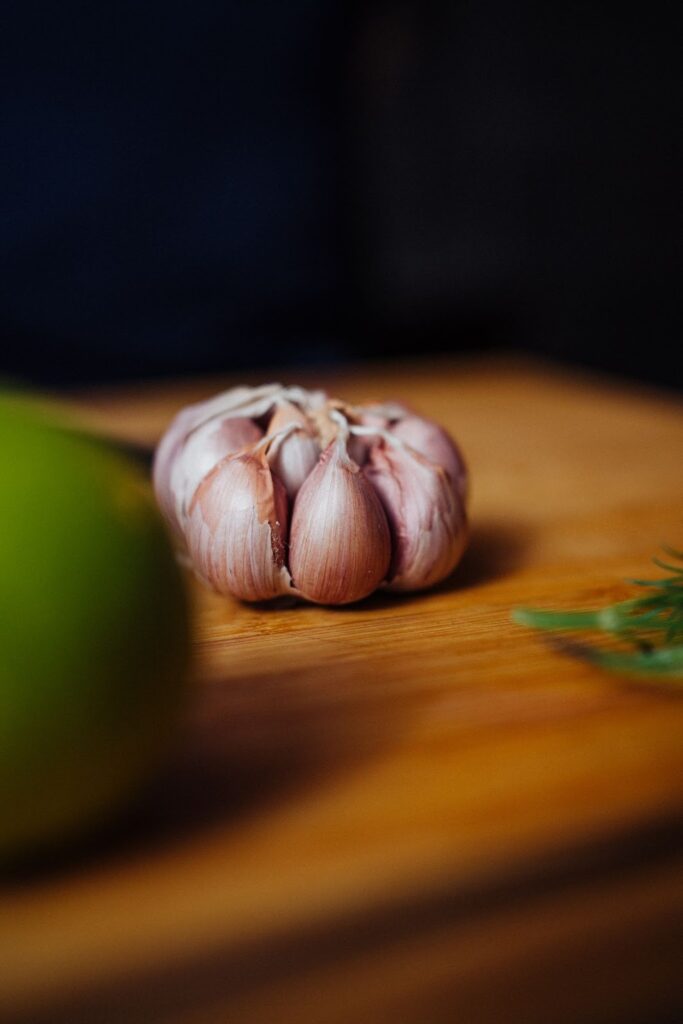
In Italian cuisine, few ingredients are as simple yet essential — and as deeply symbolic — as garlic and onion. These two humble bulbs, often seen merely as “aromatics,” are in fact the backbone of countless Italian dishes, especially pasta and sauces that have made Italy’s food famous worldwide.
In this article, we’ll explore their role, regional differences, how they connect to handmade pasta traditions, and why joining a Pasta Class in Florence is a perfect way to experience them in action.
Why Garlic and Onion Are So Important
Garlic is often described as essential in Italian cooking. It adds depth and aroma without necessarily taking over the dish. When used correctly, it enhances other ingredients instead of masking them.
Onion, on the other hand, provides sweetness and balance. Slowly cooked, it melts into sauces, soups, and ragùs, adding body and roundness to the flavor.
Together, garlic and onion represent the philosophy of Italian cuisine: few ingredients, but of the highest quality, treated with care to highlight freshness, seasonality, and local character.
Regional Differences in the Use of Garlic and Onion
Italy’s regional diversity is also reflected in how these ingredients are used:
- Southern Italy favors a stronger use of garlic. The Mediterranean diet — rich in olive oil, tomatoes, and vegetables — celebrates garlic’s punchy flavor and fragrance.
- Northern Italy, by contrast, leans toward onion. Its sweetness and richness suit hearty sauces, creamy risottos, and butter-based dishes.
There’s also an unwritten rule in traditional Italian cooking: garlic and onion are rarely used together in the same dish. Their strong aromas can clash, and Italian cooks prefer to let one lead, depending on the recipe.
This careful balance shows how deeply Italians respect flavor harmony — letting each ingredient shine in its own way.
Garlic, Onion, and Pasta: An Unbreakable Bond
When you think of Italian pasta, spaghetti aglio, olio e peperoncino instantly comes to mind — a dish that perfectly showcases how garlic can be the star of a simple yet deeply satisfying meal.
But onion also plays a vital role in pasta-making. From slow-cooked meat ragùs to vegetable-based sauces, onion often forms the aromatic base that gives structure and warmth.
Attending a fresh pasta class — such as those offered in Florence — lets you see this magic firsthand. You’ll learn how handmade pasta meets its perfect companion: a sauce built from the ground up, starting with either sweet onion or gently infused garlic oil.
Why Florence Is the Perfect Place to Discover These Flavors
Nestled in the heart of Tuscany, Florence is a culinary haven for anyone eager to dive into authentic Italian food culture. A Pasta Class in Florence offers a hands-on experience: you’ll learn to knead, roll, and shape classic pasta varieties while discovering the art of Italian sauces and seasonings.
During the class, you might practice how to prepare a delicate Tuscan ragù using slow-cooked onion or how to perfectly balance garlic in a Mediterranean-style pasta. Here, learning about these humble ingredients becomes a sensory experience — sight, touch, and taste combined.
To find out more and reserve your spot, visit Pasta Class Florence.
Practical Tips for Using Garlic and Onion in Pasta
- When using onion, chop it finely and sauté it slowly in extra virgin olive oil until soft and translucent — not browned. This brings out its natural sweetness.
- When using garlic, lightly crush one or two cloves and gently fry them until golden, then remove them if you prefer a milder flavor. This technique infuses the oil without overwhelming the dish.
- Avoid using both together in traditional recipes — choose one based on the sauce’s character. Garlic suits lighter, olive oil–based sauces; onion pairs better with tomato or meat sauces.
- Match the pasta shape to the sauce: tagliatelle with sweet onion ragù, spaghetti with garlic, oil, and chili flakes.
- Always choose fresh, high-quality ingredients. Sweet onions or mild, aromatic garlic can transform a simple dish into something exceptional.
A Chance to Learn and Taste
Taking a pasta-making class isn’t just fun — it’s a way to connect deeply with Italian culinary traditions. You’ll understand how fresh pasta deserves equally well-crafted sauces, and how a few good ingredients — garlic, onion, olive oil, tomatoes, vegetables — can become a masterpiece when treated with care.
In Florence, this experience becomes even more special. The city’s Tuscan heritage meets the art of handmade pasta, giving you a complete and authentic taste of Italy. Learning how to use garlic and onion with balance will also give you confidence to recreate these recipes at home, adjusting flavors to your liking while staying true to Italian roots.

Garlic and onion are far more than simple ingredients — they are the foundation of Italian flavor and the soul of countless pasta dishes. Knowing when and how to use them is what separates a good meal from a truly Italian one.
If you’re passionate about pasta and eager to master the timeless techniques of Italian cooking, joining a fresh pasta class in Florence — like the one offered by Pasta Class Florence — is the perfect opportunity.
Knead, cook, taste, and bring a genuine piece of Italy back to your own kitchen.